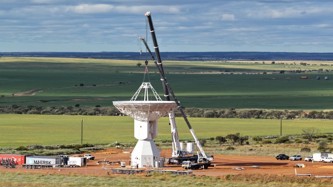
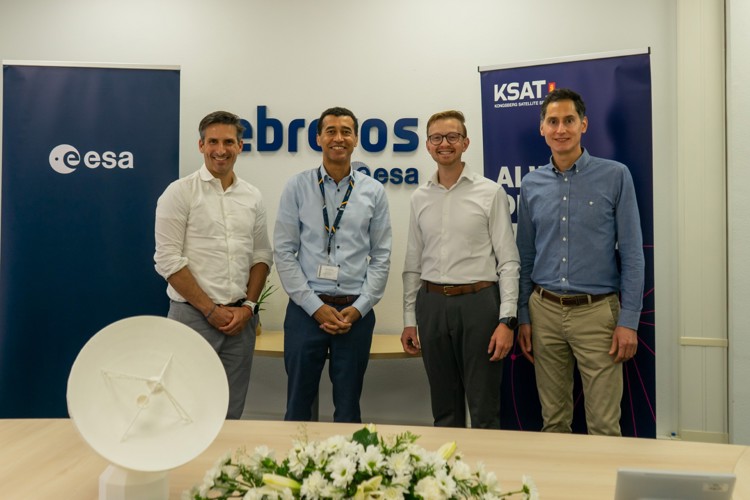
The collaboration will support the establishment of KSAT’s 20-meter-class antenna and dedicated lunar communications capabilities at Cebreros. Together with KSAT’s Western Australian and Arizona sites, the Cebreros site will become a key European element for the KSAT Lunar network, providing critical global coverage and high-availability communications services that enable mission success. The collaboration will also foster European participation in lunar exploration, supporting the development of a commercially available connectivity services to deep space and cislunar space.
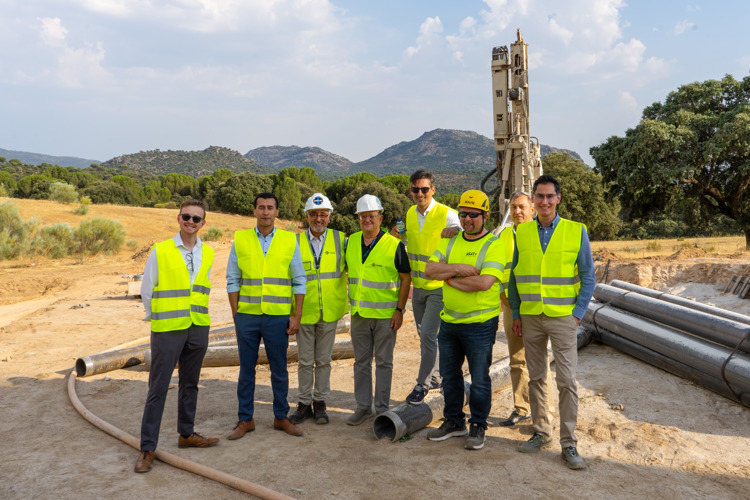
"This collaboration represents another important milestone in the development of the global communications infrastructure needed to support sustained lunar exploration," said Marte Indregard, Chief Executive Officer at Kongsberg Satellite Services. "By working with ESA and INTA at the strategically located Cebreros site, we are expanding the reach and resilience of our Lunar Network while strengthening Europe’s capacity in lunar exploration and discovery."
“ESA is committed to fostering partnerships that drive the development of new communications capabilities and strengthen Europe's role in future lunar operations,” said Octave Procope-Mamert, Head of the Ground Operations division at the European Space Agency/ESOC. “By bringing together ESA’s expertise in deep space communications and operations with the capabilities of KSAT and INTA, this collaboration marks an important step towards delivering robust and interoperable solutions. It will enhance the versatility and scalability of the ESTRACK augmented network by enabling access to complementary commercial capabilities, helping meet the evolving demands of the next generation of lunar missions.”
"This initiative highlights the value of combining national infrastructure, international cooperation, and commercial innovation," stated Cecilio Caballero, a representative of the Instituto Nacional de Técnica Aeroespacial (INTA). "The Cebreros facilities enjoy a privileged location for supporting the next generation of exploration missions, and for INTA contributing to the definition and provision of the site for this important effort."
With sites strategically distributed across three continents, KSAT’s lunar network will extend the company’s existing global ground-station capabilities, including more than 300 satellite communications antennas worldwide, into cislunar space.